Lithuanian Sports University (LSU) presented their 2025 performance results, revealing the consistent growth of the institution, strengthening their international position and focused attention on quality of studies, science, and community well-being.
Despite the complex geopolitical situation, demographic challenges and rapidly changing technological environment, the university maintained a stable growth rate and strengthened its role as a specialized sports university in Lithuania.
LSU Rector Diana Rėklaitienė emphasizes that today higher education operates in conditions of constant change, therefore traditional solutions are no longer sufficient.
“Today, it is not enough to review the strategy or update study programs once a year. Changes are happening constantly, so we must be able to adapt quickly, consistently update our competencies, and look for new solutions,” says LSU Rector D. Rėklaitienė.
One of the most notable results of 2025 is the increase in the number of students. Despite the decreasing number of students in Lithuania, LSU managed to attract more students from both Lithuania and abroad. The university also maintained high admission standards for international students, conducting a consistent selection process.
At the same time, the international academic community has grown – more scientists from abroad have joined LSU, seeing the university as a promising place for a scientific career. “We are pleased that more foreign scientists are choosing LSU. They bring new ideas, different experiences and strengthen our scientific potential,” says the rector.
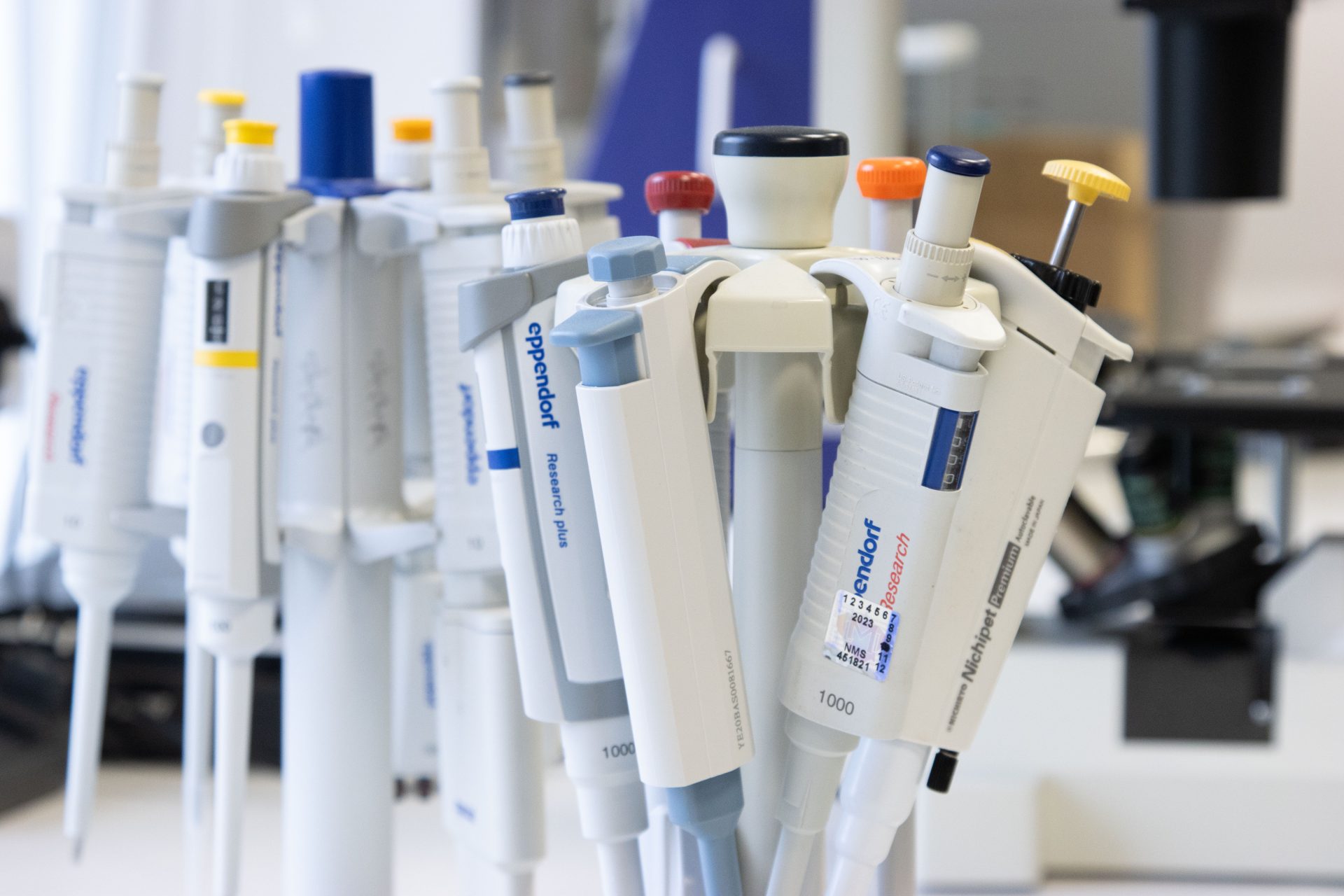
In 2025, LSU continued to strengthen its research areas, focusing not only on the quantity of publications, but primarily on their quality, visibility, and citation. The university aims to have research published in high-level international journals, and its results have a real impact on sports science and public health.
An important impetus was provided by the ongoing University Excellence Initiative, which attracts high-level researchers and promotes international joint projects.
Last year, LSU also successfully organized the international HEPA conference, which received a large number of participants and extremely favorable reviews.
The university has consistently updated its study programs, paying close attention not only to professional knowledge, but also to general competencies – communication, technological literacy, and the ability to work in a changing environment.
According to D. Rėklaitienė, the development of artificial intelligence and technological progress are changing the entire and technological progress are changing the entire study process. “We must prepare specialists not for yesterday, but for tomorrow’s labor market. This means constantly methods and strengthens the competences of teachers,” she emphasizes. The university is developing new study programs, including international joint studies, strengthening the direction of teacher training and consistently striving for leadership in the field of sports science.
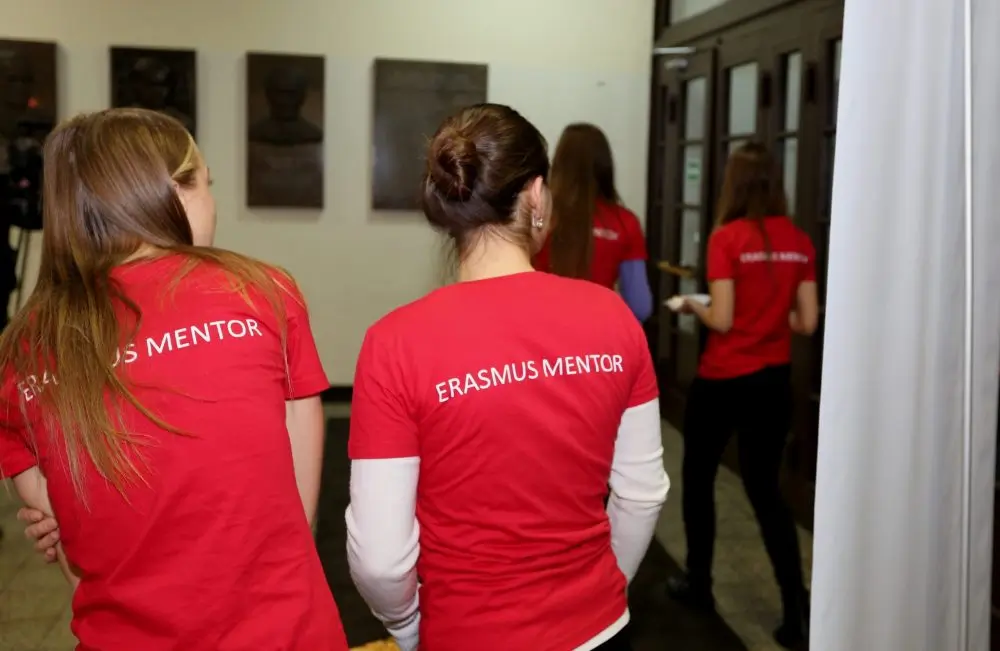
Various professional development training sessions were organized for the community, strengthening didactic and digital skills. The university also actively developed international mobility opportunities for teachers and students.
Great attention is also paid to the third mission – activities for the benefit of society. The mobile sports science laboratory, which visits Lithuanian schools in cities and regions, is attracting great interest. During visits, students are introduced to sports science, and physical literacy, movement quality, and physical capacity are assessed.
The University’s Knowledge and Innovation Transfer Center has also expanded training for coaches, instructors, and other sports professionals. The increasing number of participants indicates a growing need to constantly update professional knowledge.
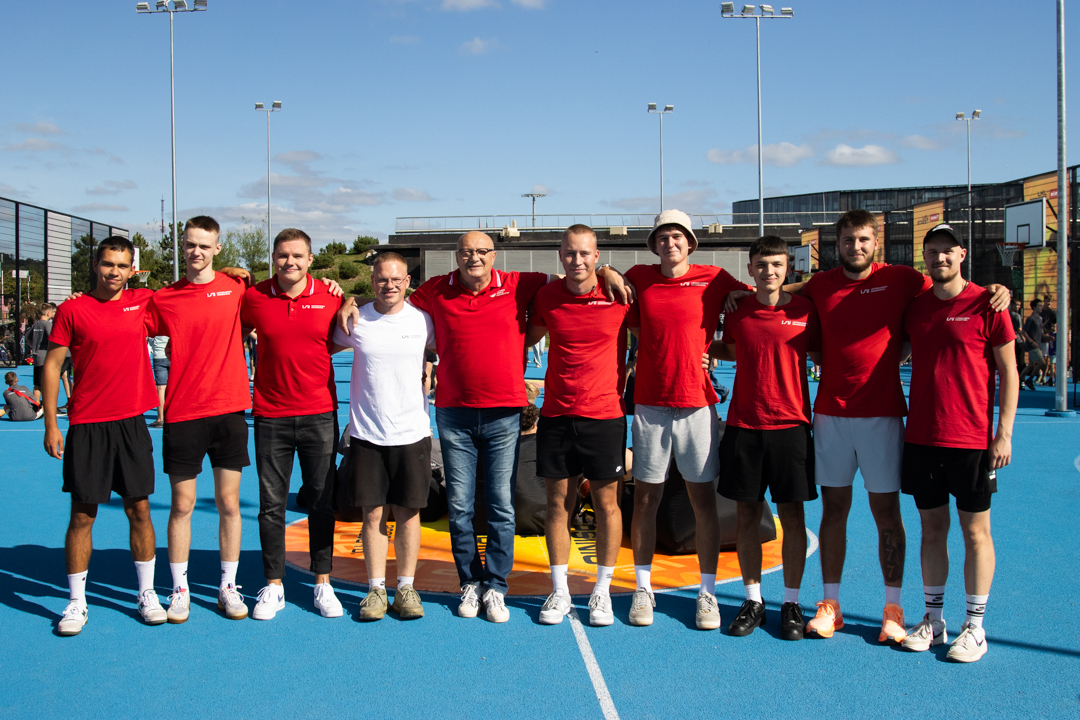
Volunteering remains an integral part of LSU’s identity – university students have actively worked in various sports events across the country, and organizers view the LSU community as professional and reliable partners.
In 2025, LSU continued to modernize its infrastructure, renovate its auditoriums, install new equipment, and improve conditions for hybrid and distance learning. Students have wide opportunities to play sports: open gyms and a swimming pool are open; experienced coaches of various sports work in the sports center. In the near future, the university plans even bigger changes – renovation of the main auditorium building and dormitories, as well as new development projects.
“We are proud of what we have managed to accomplish, but the most important thing is not to stop. Our goal remains to create a strong, open and progressive university that responds to the needs of society and shapes the future,” says D. Rėklaitienė.