Looking at the 2026 FIFA World Cup and the tournament’s most successful national teams, it is clear that sports psychology is playing an increasingly important role.
Modern football is faster than ever before, and the psychological preparation of elite teams is no longer possible without advanced scientific methods.
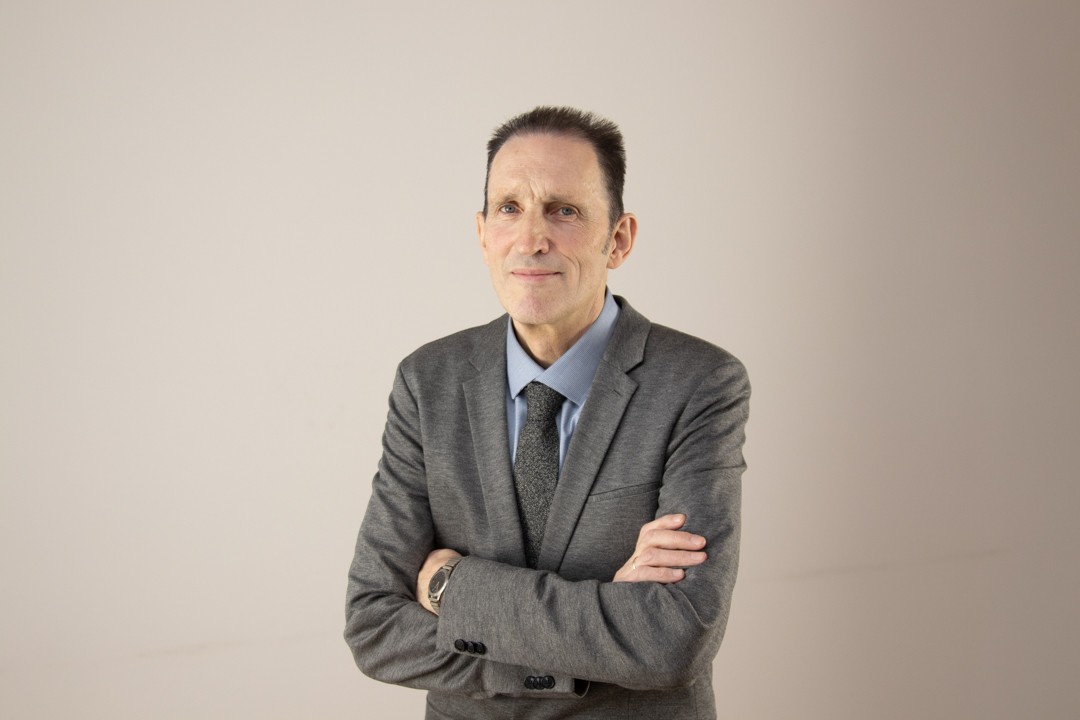
Closely following the World Cup matches, Professor Romualdas Malinauskas, a psychologist at the Lithuanian Sports University (LSU), says that in recent years football has increasingly embraced cutting-edge knowledge to help players cope with ever-growing psychological pressure.
“Visualization and mental rehearsal are among the most commonly used techniques before matches. Players from elite national teams are increasingly training even when they are not on the pitch. Before every game, they engage in mental practice by vividly recreating successful passes, ideal defensive positioning, and perfectly executed penalty kicks in their minds. Scientific research shows that such visualization activates the same brain regions as actual physical movement, helping players feel more confident and make faster decisions during matches,” says the LSU professor.
Behavioral data analysis is also being used to strengthen players’ psychological resilience. Modern teams employ artificial intelligence and video analysis platforms that monitor players’ behavior under pressure on the field. For example, analysts examine how often a player scans the surroundings, how they react after losing possession, or how they respond to the referee’s whistle. This enables footballers to develop a specific type of mental toughness – the ability to remain fully focused on the task and stay composed during the decisive moments of a match.
“Strong emotional regulation is essential for players, and psychological reset routines have become indispensable. At the high speeds of today’s game, a player’s heart rate rises significantly, narrowing attention and increasing the likelihood of mistakes. The best-prepared national teams use brief 60- to 90-second breaks for psychological reset. During these moments, players perform specialized breathing exercises to reduce tension, regulate negative emotions, and return mentally prepared to execute the tactical game plan,” explains the LSU psychologist.
Psychological preparation for penalty shootouts has also become increasingly important and often determines the outcome of matches. National teams hoping to progress through the toughest stages of the tournament must be able to win penalty shootouts, which requires dedicated mental preparation.
“Sports psychologists teach players to completely block out the surrounding noise and focus solely on the technical execution of the kick rather than its possible consequences. Penalty shootouts at the World Cup are no longer regarded as a ‘lottery.’ They represent psychological preparation, cognitive training, and emotional mastery. Elite teams such as Argentina, England, Spain, and France each employ different psychological approaches to prepare for this aspect of the game,” reveals the LSU professor.
Professor Malinauskas also emphasizes the importance of preventing emotional burnout and fostering a positive team environment throughout the tournament. With the World Cup schedule being extremely demanding and players arriving after exhausting club seasons, preventing burnout becomes one of the greatest challenges. Sports psychologists working with national teams devote considerable attention to maintaining a healthy team atmosphere, encouraging activities beyond football, and strengthening mutual trust among players to prevent internal conflicts during the lengthy tournament.
“For example, England’s sports psychologist, Tim Harkness, is an elite sports psychologist, data scientist, and high-performance consultant specializing in decision-making under extreme pressure. In his work with football teams and players, he performs several key roles—helping athletes manage stress and teaching them how to remain calm during the most decisive moments of a match, such as taking penalty kicks,” explains the LSU professor.
According to the researcher, the French national team does not have an official sports psychologist—and it does not necessarily need one. Head coach Didier Deschamps has long since gone beyond simply drawing tactical formations. Since the squad brings together world-class football stars with very different personalities, the coach himself must also act as a sports psychologist and mediator. Deschamps fully understands this and has openly stated that for players such as Kylian Mbappé and William Saliba, excellent psychological well-being is just as important as peak physical condition.
“If a player requires psychological support, they are free to consult professional sports psychologists independently. Didier Deschamps has developed and implemented his own psychological preparation system based on his experience as both a player and a coach. He sets clear boundaries and insists on strict discipline, while remaining approachable and maintaining close relationships with his players. Deschamps believes that being close to his players does not diminish either respect or authority,” says Professor Romualdas Malinauskas, offering an insight into the behind-the-scenes psychological work taking place at the World Cup.
Which psychological, physical, or tactical preparation strategies will ultimately prove most successful will soon become clear. Football’s biggest celebration, hosted by Mexico, the United States, and Canada, will conclude on 19 July.