The FIFA World Cup has always been one of the most anticipated sporting events in the world. Every four years, millions of fans across the globe follow the battles of the strongest national teams competing for football’s most prestigious trophy.
However, the upcoming tournament promises to be exceptional not only because of the sporting drama but also because of significant changes that could reshape the competition for years to come.
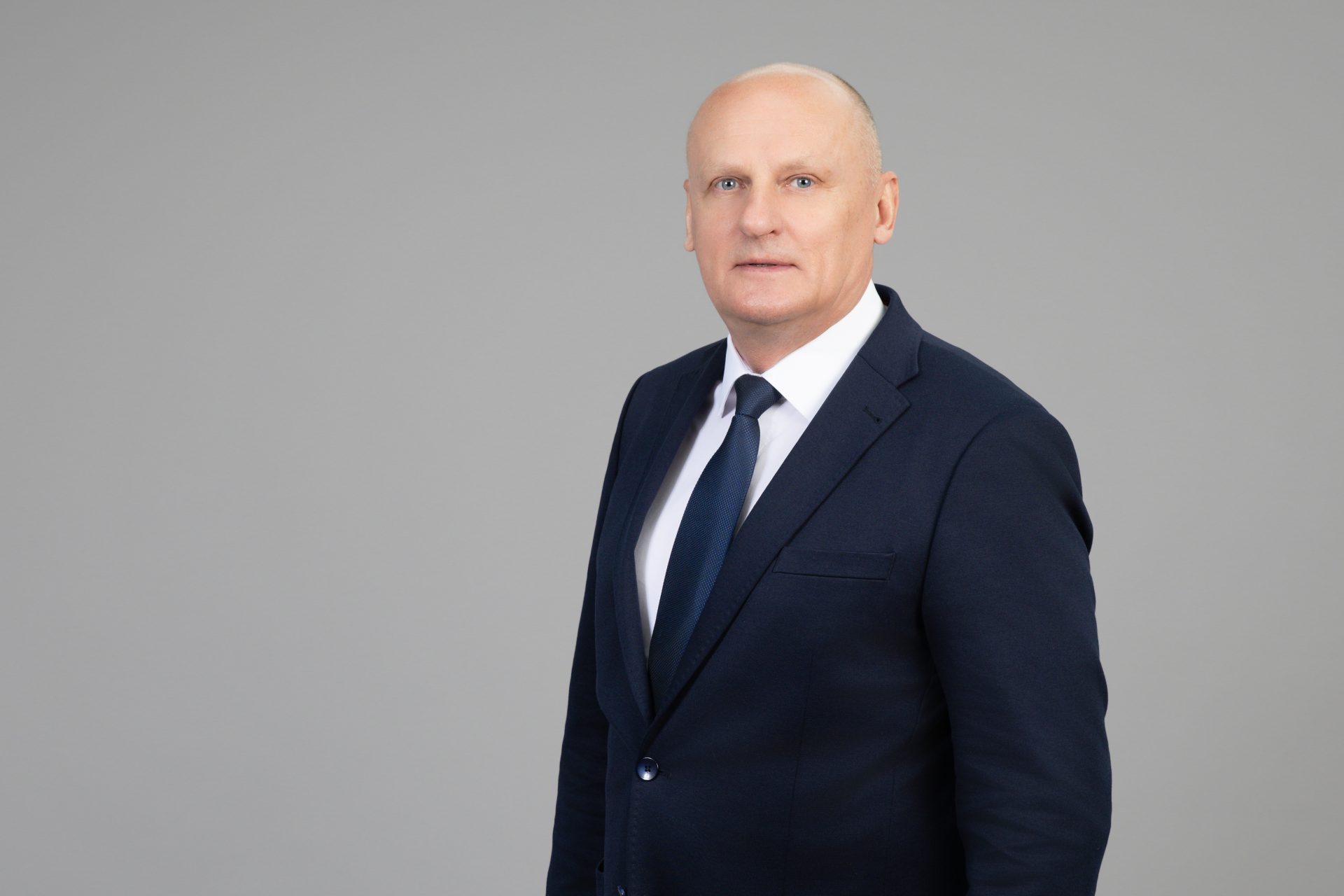
Valdas Urbonas, President of the Football Coaches Education Association of the Lithuanian Football Federation and a lecturer at the Lithuanian Sports University (LSU), emphasizes that this World Cup will be historic for several reasons.
“The World Cup is a unique event in football. This time, it will be special because, for the first time in history, it will be hosted by three countries – the United States, Canada, and Mexico,” says Urbonas.
Another major innovation is the expansion of the tournament. Instead of the traditional 32 teams, the World Cup will now feature 48 national teams. As a result, the scale of the tournament will increase significantly, with the number of matches rising from 64 to 104.
According to Urbonas, this decision creates more opportunities for smaller football nations.
“The increased number of teams means greater chances to qualify for the World Cup for countries such as Lithuania. The more places available in the tournament, the more realistic the possibility becomes of competing for qualification to an event of this level in the future,” the football expert explains.
The new format means not only more football for fans but also greater challenges for participating teams. National teams aiming to win the World Cup will now have to play eight matches instead of seven.
Urbonas believes that coaching staffs will need to devote even more attention to managing players’ physical condition.
“It is obvious that greater squad rotation will be required. It will be extremely difficult to get through such a long tournament with a single lineup or a very limited number of players, especially for teams planning to reach the quarter-finals and beyond,” he notes.
Climate conditions may also become an additional challenge. Some matches will be played in hot and humid weather, making physical preparation and recovery among the most important factors for success.
At the previous World Cup, Morocco surprised the football world by reaching the semi-finals, while Croatia once again demonstrated its ability to compete with football’s traditional powerhouses. Can similar stories be expected this time?
Urbonas believes that football is never short of surprises, but over the course of a long tournament, the advantage usually shifts toward the favorites.
“If football were completely predictable, there would be no need to play the matches. Surprises can certainly happen, but as the tournament progresses, experience and quality tend to make the difference,” says the football specialist.
Asked about the most likely contenders for the title, Urbonas highlights several traditional football powers.
“At the moment, I would consider Spain and France the leading favorites. England and Brazil are also very strong contenders. I believe the next world champion will emerge from this group of teams,” predicts the football coach.
The expansion of the tournament also offers greater hope for Lithuanian football. Nevertheless, a larger number of qualification spots alone will not be enough. According to Urbonas, the key is to take advantage of the opportunities created and continue strengthening the entire football system.
“The circumstances are now more favorable for smaller nations than they were in the past. However, the most important factor is not what FIFA does, but what we ourselves can do in Lithuania. We must look for solutions to strengthen football structures, develop players, and increase our competitiveness at the international level,” says Urbonas.
In his view, despite the intense competition in global football, Lithuania should maintain a positive outlook and pursue its long-term objectives with determination.
“Football is global today. The competition is enormous, but opportunities are increasing. We need to keep moving forward consistently,” emphasizes Valdas Urbonas, President of the Football Coaches Education Association of the Lithuanian Football Federation and lecturer at the Lithuanian Sports University.
The FIFA World Cup kicks off tomorrow with the opening match between Mexico and South Africa. The tournament, hosted by the United States, Canada, and Mexico, will run until July 19.