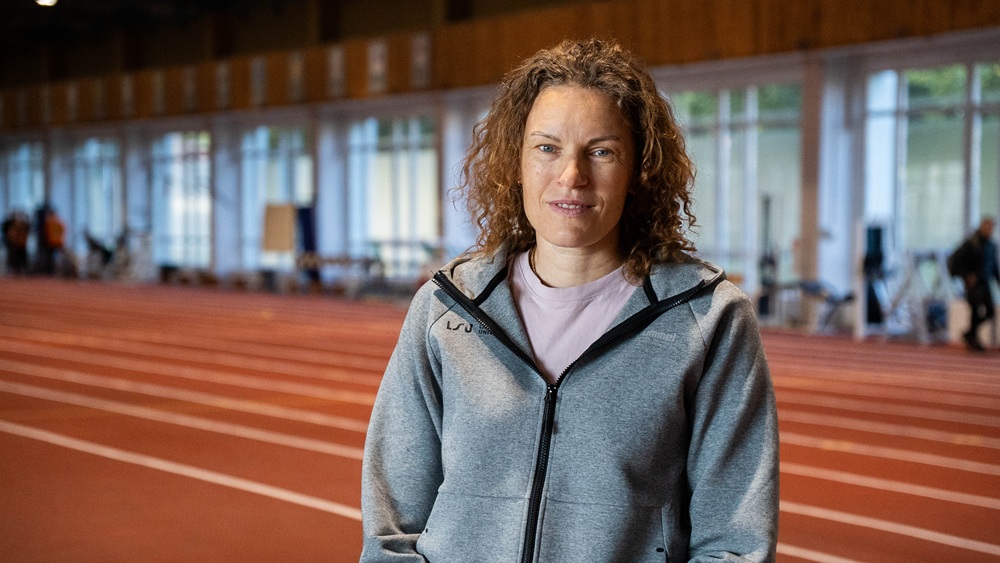
What are the most important trends shaping sports nutrition today, and where does the biggest gap remain between scientific evidence and everyday practice? In this interview, nutrition expert Stewart Grey, Professor Stuart Gray is based at the BHF Glasgow Cardiovascular Research Centre, within the School of Cardiovascular and Metabolic Health, College of Medical, Veterinary and Life Sciences at the University of Glasgow discusses his current research, emerging global developments in sports nutrition, and the key messages athletes and physically active people should know.
He also shares insights into his collaboration with researchers at Lithuanian Sports University and the potential for future joint research.
What are the main areas of nutrition and sports science that you are currently researching? Which topics have you been focusing on most recently, and why?What are the most important or widely discussed topics in sports nutrition globally at the moment?
I am currently engaged in work looking at the role of different fatty acids of muscle health, metabolism and performance. Most of this research is based around the Long Chain Fatty Acids EPA and DHA, found in fish and krill oil, but i have also been working with colleagues in LSA to look also at Medium Chain Fatty Acids. Much of my work is based on performance but this can take many forms – ranging from performance athletes to older adults and their ability to carry out activities of daily living like rising from a chair. I have always been interested in performance and hope that such research can help people achieve their goals, whether that is winning a gold medal at the Olympics to having a good quality of life as we age. I dont think there is one single topic i could name, but one of the most widely talked about area in sports nutrition just now, and whic interests me, is probably looking not only a broad recommendations for nutrition but periodization of nutrition, as we do for exercise, to maximise its benefits. This is particularly relevant in female athletes timing around menstrual cycle.
Are there any emerging trends that could influence nutritional recommendations for athletes in the coming years?What are the most important or widely discussed topics in sports nutrition globally at the moment? Are there any emerging trends that could influence nutritional recommendations for athletes in the coming years?
As i said above there are many hot topics and so here are a few more that are widely discussed or emerging. There is a lot of interest in sustainable non-meat sources of protein (plant, fungal etc) with similar interest in the world of long chain fatty acids (algal sources), which is driven by changes in how the population approach environmental concerns around meat. There has been emerging for a while, but for me it has not yet lived up to its promise, an interest in precision nutrition based on aspects like the microbiome or genomics and i think this will continue to develop. Similarly there is a lot of interest in wearable tech that can help guide nutrition by measuring hydration, sweat composition, glucose levesl (CGM) but again i think this has not yet delivered. AI is also beginning to be used in this field and i think we will see a lot of AI based nutritional intervention/guidance coming out. Nutrition and exercise around GLP1 use is also a massive topic just now.
In which areas of sports nutrition do you think there is still the biggest gap between the latest scientific evidence and what athletes or coaches actually apply in practice?
I think in this area it is very varied. Some coaches are very good with this and others have no interest. You can even see in data looking at English top flight football clubs that many players dont meet the basic carbohydrate intake guidelines. For me in practice it is actually more the basics i am concerned about, many coaches/athletes dont know and dont apply the basic guidelines around for example carbohydrate intake and for many sports this is the key nutrient. So i think working with coaches on getting the basics right is what we need to focus on.
How is your collaboration with the Lithuanian Sports University developing? In which areas of research or other activities do you see the greatest potential for future cooperation?
It is going really well. I am involved in a funded project looking at medium chain fatty acids and their effects during weight loss via GLP1s and calory restriction. I also have a PhD student with the same group looking at these fatty acids in terms of muscle ageing. The team at LSU are great and their approaches to science very robust. Their expertise in animal research is a real strength and can compliment my more human based expertise. So i find we are a very diverse and complimentary team. I think from a funding and future work point of view i would like to do some more projects taking our collective knowledge from athletic performance and applying it in clinical populations such as people with cancer, or sarcopenia. I think this is a real opportunity.
If you had to highlight one key evidence-based message about nutrition for athletes or physically active people today, what would it be?
Get the basics right (macronutrients) and dont forget that whilst nutrition is important doing the exercise training is more important!
Programme: “University Excellence Initiative”
Project: Strengthening Research and Experimental Development Activities at the Institute of Sport Science and Innovations of the Lithuanian Sports University